
Work From Home Jobs: Nurse Roles That Are Real
Which nursing jobs can really be done from home, what employers expect, how licences work when patients are in another state or country, and how to make the move.
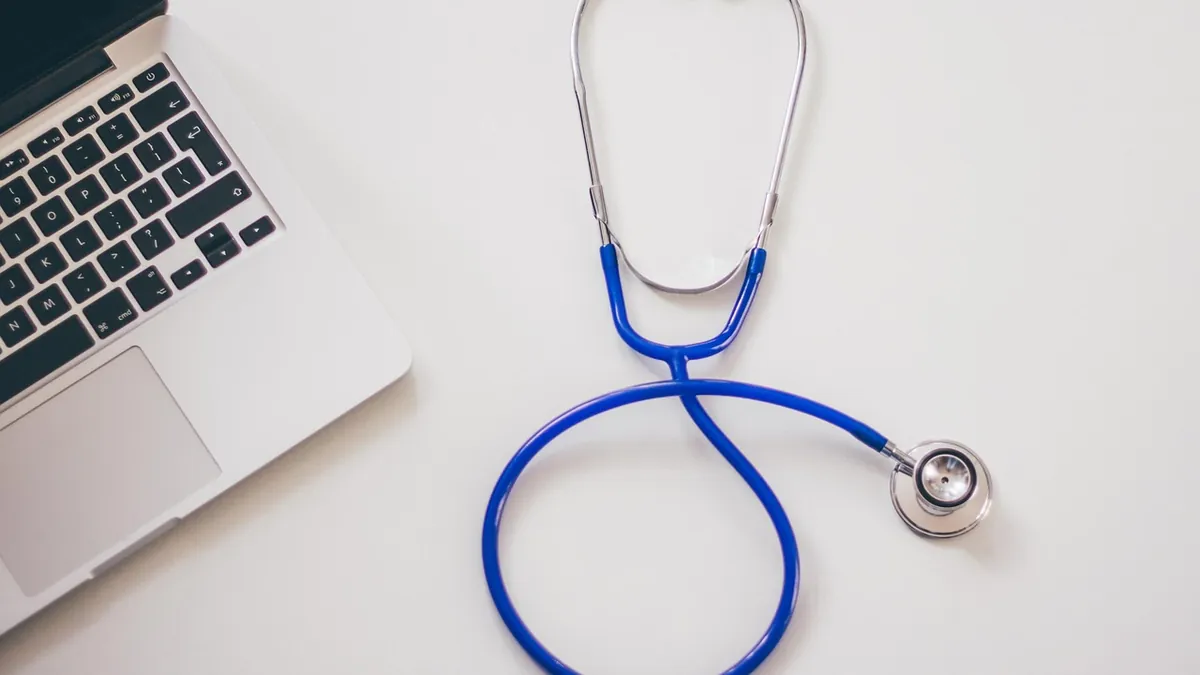
Real remote nursing roles include telehealth and phone triage, case management, utilisation review, remote patient monitoring, nurse education and clinical documentation. Most ask for an active nursing licence that covers the patient's location and several years of hands on experience. In the US, telehealth care legally takes place where the patient is, so licence rules matter.
Key facts
- US registered nurses had a median pay of $97,550 in 2025, with about 3,465,400 jobs and 6 percent projected growth from 2025 to 2035. (U.S. Bureau of Labor Statistics, Occupational Outlook Handbook, Registered Nurses, Aug 2026)
- A telehealth appointment takes place in the state where the patient is located at the time of the appointment, according to the US Department of Health and Human Services. (Telehealth.HHS.gov, Licensure compacts, Dec 2025)
- The Nurse Licensure Compact authorizes nurses to practice across member states while maintaining a single licence. (Telehealth.HHS.gov, Licensure compacts, Dec 2025)
- Health care providers can practise across US state lines by obtaining a full licence, using temporary practice laws, licensure reciprocity, a licensure compact or a telehealth registration where available. (Telehealth.HHS.gov, Licensing across state lines, Apr 2025)
- O*NET describes registered nurses as advising patients on health maintenance and disease prevention or providing case management, and lists telephone conversations as a daily part of the work for most nurses. (O*NET OnLine, Registered Nurses 29-1141.00, 2026)
Many nurses look for work from home jobs. Nurse burnout, long shifts and family needs all push people to ask whether nursing can be done from a desk. The answer is yes, for some roles. A growing share of care now happens by phone, video and secure messages, and every health system needs nurses to review records, coordinate care and teach. But remote nursing jobs come with clear rules, especially about licences, and most need solid bedside experience first.
This guide explains which nursing roles really work from home, what employers look for, how licences work when the patient is somewhere else, and how to make the move. It uses official sources from the US Bureau of Labor Statistics, O*NET and the US Department of Health and Human Services, and points out where rules differ in other countries.
Work from home jobs: nurse roles that exist today
- Telehealth and phone triage nurse. Assesses symptoms by phone or video, gives advice and decides how urgently a patient needs care.
- Case manager. Plans and coordinates care for patients with complex or long term conditions, working with doctors, families and insurers.
- Utilisation review nurse. Checks whether treatments and hospital stays meet clinical guidelines and insurance rules.
- Remote patient monitoring nurse. Watches data from home devices, such as blood pressure or glucose readings, and acts on warning signs.
- Nurse educator. Teaches nursing students or staff online, writes course material and runs virtual training.
- Clinical documentation or informatics nurse. Improves records, coding quality and electronic health systems.
- Health coach or care navigator. Helps patients manage conditions, follow plans and find the right services.
- Medical writer or reviewer. Writes or checks patient information, training content or clinical material.
Some of these jobs are fully remote. Others are hybrid, with some office or clinic days. Read each advert carefully.
A closer look at the main remote roles
Telehealth and phone triage
Triage nurses take calls or video visits from patients who are unwell or worried. They ask structured questions, follow clinical protocols and decide the next step: self care at home, a visit to a doctor, urgent care or emergency services. The work needs fast, careful judgement and calm communication. Many triage services run day and night, so shifts can include evenings and weekends. Emergency, urgent care and medical-surgical experience are good preparation.
Case management
Case managers look after patients with long term or complex needs. They review records, set goals with the patient, arrange services, and keep doctors, families and insurers informed. Much of this can be done by phone and secure message. Case managers need strong organisation, good knowledge of local services and patience, because progress can be slow.
Utilisation review
Utilisation review nurses check whether planned treatment, tests or hospital stays meet clinical guidelines and coverage rules. They read records closely and write clear decisions. It suits nurses who like detail and evidence. There is little direct patient contact, which some nurses enjoy and others miss.
Remote patient monitoring
Some patients send readings from home devices such as blood pressure cuffs, scales or glucose meters. Monitoring nurses watch the data, call patients when readings look wrong, adjust plans with the care team and teach patients how to manage their condition. Chronic disease experience helps.
Nurse education
Colleges and health systems need nurses to teach. Online roles include teaching courses, marking work, running virtual simulations and writing training. Many teaching roles ask for a higher degree in nursing and teaching experience, so check each advert.
Keeping your clinical skills fresh
One risk of remote work is that hands on skills fade. If you might return to bedside work later, plan for it. Some nurses keep a part time or occasional clinical shift. Others take refresher courses and keep their certificates current. Ask employers whether they support this. Keeping your options open also protects you if the remote role changes or ends.
Looking after yourself
Remote work removes some strains of nursing and adds others. Back to back calls can be tiring, and some conversations are hard. Take your breaks away from the screen. Set clear start and finish times, and close the door on work when your shift ends. Use the clinical support your employer offers for difficult cases. Stay in touch with colleagues through team calls and chats, so you do not feel alone.
What official data says about nursing
Registered nursing is one of the largest professions in the world. In the US, the Bureau of Labor Statistics counted about 3,465,400 registered nurse jobs in 2025, with a median pay of $97,550. Employment is projected to grow 6 percent from 2025 to 2035.
O*NET, the US occupational database, describes how nurses advise patients on health maintenance and disease prevention or provide case management. It also shows that telephone conversations are part of daily work for most nurses. Those parts of the job are exactly what remote roles build on.
Official sources do not publish a separate pay figure for remote nurses. Pay for remote roles depends on the employer, the role and the licence needed. Compare real adverts for the same title in your area, and check that the pay matches the experience asked for.
Licences: the rule most people miss
Licences are the biggest difference between remote nursing and other remote work. In the US, the Department of Health and Human Services explains that a telehealth appointment takes place in the state where the patient is located at the time of the appointment. So a nurse usually needs a licence that covers the patient's state, not only their own.
HHS lists several ways health care providers can practise across state lines:
- a full licence in the other state;
- temporary practice laws in some states;
- licensure reciprocity in some situations;
- a licensure compact;
- telehealth registration, where a state offers it.
For nurses, the main compact is the Nurse Licensure Compact. HHS explains that it authorizes nurses to practise across member states while keeping a single licence. Many remote employers prefer nurses with a compact licence because they can serve patients in many states. Not every state is a member, so always check the current list on the official map before you apply.
Outside the US, rules differ by country. In most places you must be registered with the nursing regulator of the country where the patient is, and cross-border telehealth may be limited. If you want to work remotely for patients in another country, check that country's nursing regulator first.
What remote employers look for
- Clinical experience. Most remote roles want several years of hands on nursing first, often in a related field such as emergency, medical-surgical, critical care or community nursing. Triage and case management need sound clinical judgement.
- The right licence. An active, unrestricted licence that covers the patients you will serve.
- Strong communication. Clear speaking and writing, because you cannot rely on seeing the patient in person.
- Comfort with technology. Electronic health records, video platforms and secure messaging.
- Self-management. Working alone, keeping to schedules and meeting targets without a supervisor nearby.
- Privacy and safety. A private space and careful handling of patient information under privacy laws.
Setting up a remote nursing workspace
- A private room with a door, where nobody can overhear calls.
- A reliable, fast internet connection, ideally wired, with a backup plan.
- A good headset and camera.
- The computer and security settings the employer requires; many provide their own equipment.
- A quiet background with no patient information visible to others.
- Fixed working hours, especially for shift based triage roles.
The pros and cons
Pros: no commute, more regular hours in many roles, less physical strain, and a way to keep using clinical skills if bedside work has become too hard.
Cons: less hands on care, which some nurses miss; screen time and call volume targets; the need for several licences in some roles; and fewer chances to learn from colleagues in person. Some roles also include evening, night or weekend shifts, because patients call at all hours.
How to move into a remote nursing role
- Build the right experience while you are still in a clinical role. Triage, discharge planning, patient teaching and documentation all count.
- Check your licence. Find out whether your licence is part of a compact and which patients you could serve.
- Add a relevant certificate if your target role values one, for example in case management, informatics or education.
- Practise your remote skills. Learn the record systems and video tools used where you work.
- Update your CV to show remote-ready skills: phone assessment, patient education, documentation quality and independent work.
- Search smartly. Use a remote filter and try several titles: telehealth nurse, triage nurse, case manager, utilisation review nurse, nurse educator.
Interview tips
- Expect a clinical scenario by phone: a patient describes symptoms and you decide what to do.
- Explain how you document clearly and protect patient privacy at home.
- Show how you stay focused and manage your time without a team around you.
- Ask about training, the patient population, licence support, shift patterns and targets.
How to spot fake remote nursing offers
Health care is not immune to job scams. The US Federal Trade Commission advises ignoring generic and unexpected job messages by text, WhatsApp or Telegram, and never paying to get paid or to get a job. Be careful with any offer that skips a proper interview, asks you to buy equipment from them, wants your licence number and bank details before a written offer, or promises high pay for very little work. Check that the employer is a real health organisation and that the job appears on its own website.
Writing a CV for remote nursing roles
Your CV should show that you can give safe care without being in the room. Put your licence details and any compact status near the top. Then show the skills remote employers value most: assessment by phone, patient teaching, care coordination, clear documentation and independent decision making. Give real examples, such as the number of patients you managed, a discharge planning process you improved or a teaching programme you ran. List the record systems and video tools you know. Keep the layout simple and use the words from the job advert, because many employers screen applications with software first.
Questions to ask the employer
- Which states or countries will my patients be in, and do you help with extra licences?
- How long is the training, and is it paid?
- What are the shift patterns, and how are weekends and holidays shared?
- What call or case targets will I have?
- Who supports me during a shift when a case is difficult?
- Do you provide the computer, headset and secure connection?
Common mistakes
- Applying before you have enough clinical experience for the role.
- Ignoring licence rules for patients in other states or countries.
- Underestimating how busy phone and video work can be.
- Working in a space where others can hear patient details.
- Letting certificates lapse while working remotely.
Remote nursing around the world
Telehealth is growing in many countries, but the rules are set nationally or locally. Most countries require nurses to be registered with the national regulator, and some limit care across borders. Public health services in several countries run nurse-led phone and online advice lines, and private providers offer virtual care too. If you want a remote role in another country, start with that country's nursing regulator and official health service pages, then look for employers that state they support registration.
Is remote nursing right for you?
Remote nursing suits nurses who are confident in their judgement, enjoy talking with patients and like structure. It suits people who can stay focused at a desk for a full shift and are comfortable with technology. It may not suit nurses who love the pace of a ward, the teamwork of an emergency department or the hands on side of care. Some nurses find the best balance in a hybrid role, with part of the week at home and part in a clinic. Try to speak with a nurse who already works remotely before you decide. Ask what a normal shift feels like, what is hardest, and what they would do differently.
Whatever you choose, keep your licence active, your skills current and your options open. Good nurses are needed in every setting.
Start with one small step this week, such as checking your licence status or updating your CV.
Checklist before you accept
- I know which states or countries my patients will be in, and my licence covers them.
- I have a written offer with pay, hours, shift rules and training.
- I know who provides the equipment and the security rules.
- I have a private space that meets privacy rules.
- I know who I contact for clinical support during a shift.
- Nobody asked me to pay for anything.
Example: from emergency nurse to telehealth triage
This example was written for this guide and is not about a real person. After eight years in emergency nursing, Daniel wanted regular hours and less physical strain. He checked that his licence was part of the Nurse Licensure Compact, took a short course in telephone triage and updated his CV to show his assessment and documentation skills. He applied to telehealth roles at health systems that served patients in several compact states. After a phone scenario test and a video interview, he joined a triage team working four days a week from home.
Live on Dev Global Jobs
Right now there are 9,996 open remote jobs on Dev Global Jobs (live count, 4 November 2026) among 119,529 open jobs on Dev Global Jobs (live count, 4 November 2026). Browse remote jobs and healthcare jobs for telehealth, case management and nurse educator roles, and save a job alert. Build a clear nursing CV in the CV builder.
Frequently Asked Questions
Which work from home jobs nurse applicants can get most easily?
Telehealth and phone triage, case management and utilisation review are the most common remote nursing roles. Most need an active licence and several years of clinical experience.
Can a new graduate nurse work from home?
It is hard. Most remote roles want proven clinical judgement from hands on work first. New nurses usually build experience in a clinical setting, then move into remote roles.
Do I need a licence in the patient's state for telehealth?
In the US, yes in most cases. HHS explains that a telehealth appointment takes place where the patient is. A full licence, a licensure compact such as the Nurse Licensure Compact, or a state telehealth registration can cover it.
How much do remote nurses earn?
Official sources do not publish a separate remote figure. US registered nurses overall had a median pay of $97,550 in 2025. Remote pay depends on the role, employer and licence.
Can I work remotely as a nurse for patients in another country?
Usually only if you are registered with the nursing regulator where the patient is. Rules differ by country, so check the regulator before you apply.
What equipment do I need?
A private room, a reliable fast connection, a good headset and camera, and the computer and security setup the employer requires. Many employers provide the equipment.
Sources
- Occupational Outlook Handbook, Registered Nurses, U.S. Bureau of Labor Statistics. Accessed 3 October 2026.
- Licensure compacts, U.S. Department of Health and Human Services, Telehealth.HHS.gov. Accessed 3 October 2026.
- Licensing across state lines, U.S. Department of Health and Human Services, Telehealth.HHS.gov. Accessed 3 October 2026.
- Registered Nurses 29-1141.00, O*NET OnLine. Accessed 3 October 2026.
- That job offer text is probably a scam, Federal Trade Commission. Accessed 3 October 2026.
Source: Dev Global Jobs, updated 4 November 2026.
Career Content Editor, Dev Global Jobs
Lutaf Ali is the Career Content Editor at Dev Global Jobs. He has written and edited our guides on jobs, CVs, visas, salaries and careers abroad since the site went live on 18 January 2026, and he runs our official social media. Every fact is checked against official and trusted sources, named in the post, and errors are corrected as soon as readers report them.
Lutaf Ali · About the editorial team · Editorial Policy
Lutaf Ali runs our social media. Follow Dev Global Jobs: Facebook · LinkedIn · Instagram · YouTube · X · Threads · Pinterest
Related Articles
Work From Home Jobs: Customer Service Roles and Real Pay
What remote customer service work really involves, what official data says about pay and openings, what employers expect from home workers, and how to avoid fake job offers.
Read
Work From Home Jobs for Data Entry: Real Roles, No Scams
What real remote data entry jobs look like, what official data says about pay and the future of the work, which skills lead to better roles, and how to avoid scams.
Read
Work From Home Jobs With Laptop: 25 Real Roles to Try
Real roles you can do from home with a laptop, which fields telework most according to official data, what employers ask for and how to avoid scams.
Read