
Highest Paying Jobs: Trades That Pay Best
Official 2025 median pay for 20 skilled trades, from elevator installers to carpenters, with growth to 2035, training routes and honest trade offs.
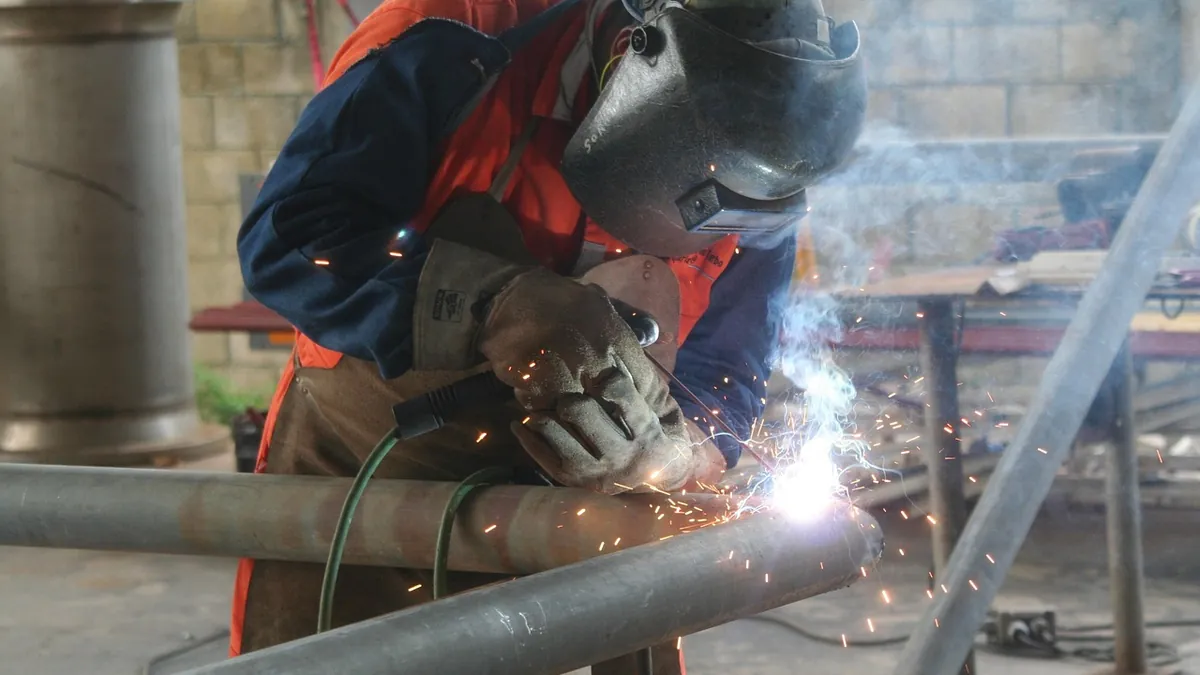
Among the highest paying jobs trades offer, elevator and escalator installers lead with a median of $109,910 in 2025, followed by power plant operators ($105,080) and power line installers ($95,320), according to the BLS. Most trades start with a high school diploma and a paid apprenticeship. The median for all US jobs was $50,980.
Key facts
- Elevator and escalator installers and repairers had a median pay of $109,910 in 2025, and a career typically begins with a 4 year apprenticeship. (U.S. Bureau of Labor Statistics, Occupational Outlook Handbook, Elevator and Escalator Installers and Repairers, Aug 2026)
- Electrical power line installers and repairers had a median pay of $95,320 in 2025, with 10 percent projected growth from 2025 to 2035. (U.S. Bureau of Labor Statistics, Occupational Outlook Handbook, Line Installers and Repairers, Aug 2026)
- Most electricians learn in a 4 or 5 year apprenticeship with about 2,000 hours of paid on the job training a year; their median pay was $63,190 in 2025. (U.S. Bureau of Labor Statistics, Occupational Outlook Handbook, Electricians, Aug 2026)
- Solar photovoltaic installers are projected to grow 37 percent from 2025 to 2035; their median pay was $53,140 in 2025. (U.S. Bureau of Labor Statistics, Occupational Outlook Handbook, Solar Photovoltaic Installers, Aug 2026)
- Industrial machinery mechanics, maintenance workers and millwrights had a median pay of $64,100 in 2025 and are projected to grow 14 percent. (U.S. Bureau of Labor Statistics, Occupational Outlook Handbook, Industrial Machinery Mechanics and Millwrights, Aug 2026)
- The median annual wage for all US occupations was $50,980 in 2025. (U.S. Bureau of Labor Statistics, Fastest growing occupations, Aug 2026)
When people list the highest paying jobs, trades are often left out. That is a mistake. Official US data shows that several skilled trades pay around twice the national median, and almost all of them start with a high school diploma and paid training instead of a costly degree. Demand is strong in many trades as older workers retire and buildings, power grids and factories need upgrading.
This guide uses the 2025 median pay and the 2025 to 2035 projections published by the US Bureau of Labor Statistics in August 2026. The median annual wage for all US occupations was $50,980. The data is from the US, but the same trades are in demand and well paid in many countries.
Highest paying jobs: trades ranked by median pay
| Trade | 2025 median pay | Typical training | Outlook 2025 to 2035 |
|---|---|---|---|
| Elevator and escalator installers and repairers | $109,910 | Apprenticeship | +6% |
| Power plant operators, distributors and dispatchers | $105,080 | Long term training on the job | -4% |
| Electrical power line installers and repairers | $95,320 | Long term training on the job | +10% |
| Aircraft and avionics mechanics and technicians | $80,180 | Approved certificate program | +6% |
| Boilermakers | $76,410 | Apprenticeship | -2% |
| Construction and building inspectors | $74,690 | Training on the job | 0% |
| Electrical and electronics installers and repairers | $74,490 | Varies by specialty | +2% |
| Telecommunications technicians | $66,200 | Varies | -3% |
| Industrial machinery mechanics and millwrights | $64,100 | Varies | +14% |
| Wind turbine technicians | $64,120 | Certificate, long term training | +30% |
| Plumbers, pipefitters and steamfitters | $63,800 | Apprenticeship | +7% |
| Electricians | $63,190 | Apprenticeship | +9% |
| Ironworkers | $61,910 | Apprenticeship | +1% |
| Sheet metal workers | $61,800 | Apprenticeship | +3% |
| Diesel service technicians and mechanics | $61,770 | Long term training on the job | +4% |
| Heating, air conditioning and refrigeration mechanics | $61,010 | Certificate, long term training | +11% |
| Carpenters | $60,580 | Apprenticeship | +4% |
| Construction equipment operators | $59,600 | Training on the job | +4% |
| Roofers | $55,440 | Training on the job | +5% |
| Solar photovoltaic installers | $53,140 | Training on the job | +37% |
Source: U.S. Bureau of Labor Statistics, Occupational Outlook Handbook occupation profiles, 2025 median pay and 2025 to 2035 projections.
Every trade in this table pays above the all jobs median of $50,980. The top three pay more than double it.
The fastest growing trades
High pay matters, but so does demand. These trades are projected to grow fastest from 2025 to 2035:
- Solar photovoltaic installers: +37 percent.
- Wind turbine technicians: +30 percent.
- Industrial machinery mechanics and millwrights: +14 percent.
- Heating, air conditioning and refrigeration mechanics: +11 percent.
- Electrical power line installers: +10 percent.
- Electricians: +9 percent.
Clean energy, power grids and building systems lead the growth. A trade with fast growth gives you more choice of employers and places to work.
In construction, highest paying jobs and how to reach them
In construction, highest paying jobs go to workers with specialised skills and licences. Elevator installers top the list. Construction and building inspectors, boilermakers, ironworkers, sheet metal workers and electricians follow. Construction managers earn more, a median of $114,990 in 2025, but the BLS lists a bachelor's degree as the typical entry route, although many managers also come up through the trades with experience.
The usual path in construction is:
- Start as an apprentice or helper and learn the basics on site.
- Complete your apprenticeship and earn your licence where your state requires one.
- Specialise in work that is harder to do, such as controls, high voltage or inspection.
- Move up to lead worker, supervisor or inspector.
- Consider your own business once you have experience, licences and contacts.
Highest paying jobs blue collar workers find outside construction
Not all well paid trades are on building sites. Many of the highest paying jobs blue collar workers hold are in energy, transport and industry.
- Power plant operators run the systems that generate electricity, with a median of $105,080.
- Aircraft mechanics keep planes safe, with a median of $80,180 after an approved certificate program.
- Industrial machinery mechanics and millwrights install and repair factory machines, with a median of $64,100 and strong growth.
- Diesel technicians service trucks, buses and heavy equipment, with a median of $61,770.
- Telecommunications technicians install and repair communications equipment, with a median of $66,200.
A closer look at twelve trades
Elevator and escalator installers
They put in, fix and look after lifts, escalators and moving walkways. The job mixes mechanical and electrical work. Most start with a 4 year apprenticeship, and most states require a licence. It is the best paid trade in the BLS data, with a median of $109,910. You need a good head for heights and small spaces.
Power line installers
They build and repair the lines that carry power to homes and businesses. The work is outdoors and often high up. After storms, crews may work long hours to get power back on. Pay is high at $95,320, and demand is set to grow 10 percent as grids are rebuilt.
Electricians
Electricians wire homes, offices and factories and fix faults. Most learn in a 4 or 5 year apprenticeship. It is one of the largest trades, with about 821,000 jobs in 2025, so there is work in almost every town. The median was $63,190, and experienced electricians in busy areas often earn more.
Plumbers, pipefitters and steamfitters
They fit and repair the pipes that carry water, gas and steam. Most train through an apprenticeship. There were about 510,600 jobs in 2025, with a median of $63,800 and growth of 7 percent. Emergency call outs can add to pay.
HVAC mechanics
Heating, air conditioning and refrigeration mechanics keep buildings warm, cool and safe. Many start with a certificate and then train on the job. The median was $61,010, and growth of 11 percent is faster than most trades. Summer and winter are the busiest times.
Boilermakers
Boilermakers build and repair large boilers and tanks that hold liquids and gases. The work is heavy and often takes place in power plants and factories, sometimes far from home. The median was $76,410, but the trade is small and set to shrink a little.
Ironworkers
Ironworkers put up the steel frames of buildings and bridges and place the steel bars inside concrete. They work at great heights. Most learn through an apprenticeship. The median was $61,910.
Carpenters
Carpenters build frames, stairs, floors and fittings. It is one of the largest trades, with about 889,700 jobs. The median was $60,580. Skilled finish carpenters and site leads can earn more, and many start their own firms.
Wind turbine technicians
Wind techs keep turbines running. They climb towers and work on electrical, hydraulic and mechanical parts. Many study at a technical school or community college first. Growth of 30 percent makes this one of the fastest growing jobs.
Solar installers
Solar installers put panels on roofs and in large solar farms. Most learn on the job. Pay is lower than many trades at $53,140, but growth of 37 percent is the fastest in this guide. It can be a good way into the energy field.
Industrial machinery mechanics and millwrights
They set up, maintain and fix the machines in factories and plants. When a line stops, they get it running again. The median was $64,100, and growth of 14 percent is well above average as factories add more equipment.
Construction and building inspectors
Inspectors check that buildings and work meet codes and plans. Many come from the trades after years on site. The median was $74,690. It is a good next step for experienced workers who want less physical work.
How apprenticeships work
Most trades are learned through an apprenticeship: a real job with training built in. You work for an employer, learn from experienced workers and attend classes. You are paid from the start, and your pay rises as you progress. The BLS says most electricians learn in a 4 or 5 year apprenticeship with about 2,000 hours of paid training on the job each year, elevator installers typically start with a 4 year program, and power line programs may last up to 3 years. In the US, the Department of Labor has information on registered apprenticeships on Apprenticeship.gov.
The big benefit is money. You earn while you learn, instead of paying tuition and taking on debt. At the end you have a recognised qualification, and in many trades a licence.
Getting started with no experience
You do not need to know a trade before you start one. Many people begin as a helper or laborer on a site, which lets them see the work up close and meet employers who hire apprentices. Others join a pre apprenticeship program, a short course that teaches safety, tools and basic math and helps you apply for a full apprenticeship. Technical schools and community colleges also run courses in trades such as HVAC, welding and wind energy. Whichever route you choose, show up on time, learn safety rules first and ask questions. Employers notice reliable newcomers quickly.
How pay grows in a trade
Trade pay usually grows in clear steps. Apprentices start at a share of a fully trained worker's rate. Each year, as they complete hours and classes, the rate goes up. Once they finish and earn their licence, they reach full pay. From there, pay can rise further through overtime, night or emergency work, special skills such as controls or high voltage work, and leading a crew. Some move into inspection, training or estimating. The median figures in this guide are a midpoint, so many experienced workers earn more than the number shown.
Safety comes first
Trade work carries real risks: heights, electricity, heavy loads, moving machines and hot or cold weather. Good employers train you well and give you the right protective equipment. Learn the safety rules of your trade and follow them every time, even when a job is rushed. Speak up when something looks unsafe. Workers with a strong safety record are trusted with bigger jobs and are more likely to be promoted to lead roles.
Running your own business
Many trades give you the option to work for yourself later. Electricians, plumbers, HVAC mechanics, carpenters and roofers often start small firms once they have experience and the right licences. Running a business means more than doing the work. You also price jobs, find customers, buy materials, handle insurance and keep accounts. The rewards can be higher income and more control over your time, but income can also be less steady. Many tradespeople work for an employer for several years first to build skills, savings and contacts.
How to choose a trade
- Think about the work you enjoy. Some trades are outdoors and physical; others are indoors with more technical detail.
- Check the pay and growth in the table above, and then in job ads near you.
- Consider heights, weather and hours. Line work and ironwork mean heights; power plants mean shifts; HVAC can mean call outs.
- Try it first. A short course, a pre apprenticeship program or a summer job as a helper shows you what the work is like.
- Talk to tradespeople. Ask what they like, what is hard and how they got in.
Trade offs to be honest about
- Trade work can be physically demanding and carries real safety risks.
- Some trades depend on the building cycle, so work can slow in a downturn.
- Apprentice pay starts lower and grows over several years.
- Early starts, travel, overtime and call outs are common.
- Licences and safety training need to be kept up to date.
On the other hand, skilled trade work is hard to move overseas or replace with software, and good tradespeople are needed in every town.
Writing a CV for a trade job
A trade CV should be short and practical. Put licences, certificates and safety cards near the top. List the tools, machines and systems you can use. Describe real jobs you have done, such as wiring a room, fitting a bathroom or servicing equipment, even if it was for family or as a helper. If you are applying for an apprenticeship, show your interest in the trade, any related classes and your reliability, such as good attendance at school or work. Keep it to one page with clear headings, so a busy supervisor can read it in a minute.
Add a short line about your goals, for example the trade you want to master and the licence you plan to earn. Supervisors like to hire people who plan to stay and grow. If you have a driver's licence or your own basic tools, mention them too, because many site jobs need both from day one.
Finally, ask someone in the trade to read your CV before you send it. They will spot what a supervisor looks for.
Trades outside the US
The figures in this guide are for the US. In many countries, skilled trades are also among the better paid jobs that do not need a degree, and official apprenticeship systems exist in places such as the UK, Germany, Canada and Australia. Licences and qualifications are usually national or regional, so a trade qualification from one country may need to be recognised before you can work in another. Check the official careers service or skills authority of the country where you want to work.
Live on Dev Global Jobs
Right now there are 111,716 open jobs on Dev Global Jobs (live count, 9 November 2026). Browse engineering and technical jobs, compare pay in different countries with the country salary calculator, and build a skills based CV in the CV builder.
Frequently Asked Questions
Which highest paying jobs trades workers can get without a degree?
Elevator and escalator installers ($109,910 median in 2025), power plant operators ($105,080) and power line installers ($95,320) top the BLS data. All start with a high school diploma and paid training.
What is the highest paying trade?
In the BLS 2025 data, elevator and escalator installers and repairers had the highest median pay among trades at $109,910.
Which trades are growing fastest?
Solar photovoltaic installers (37 percent) and wind turbine technicians (30 percent) are projected to grow fastest from 2025 to 2035, followed by industrial machinery mechanics (14 percent) and HVAC mechanics (11 percent).
What are the construction highest paying jobs?
Elevator installers, construction and building inspectors, boilermakers, ironworkers, sheet metal workers and electricians are among the best paid construction trades. Construction managers earn more but usually need a degree or long experience.
How long does it take to learn a trade?
Most apprenticeships take about 3 to 5 years. The BLS says electricians usually train for 4 or 5 years, elevator installers start with a 4 year program and power line programs may last up to 3 years.
Do tradespeople earn more than the average worker?
Yes. Every trade in this guide had a median above the US median of $50,980 for all jobs in 2025, and the top trades earned around twice as much.
Sources
- Occupational Outlook Handbook, Elevator and Escalator Installers and Repairers, U.S. Bureau of Labor Statistics. Accessed 3 October 2026.
- Occupational Outlook Handbook, Line Installers and Repairers, U.S. Bureau of Labor Statistics. Accessed 3 October 2026.
- Occupational Outlook Handbook, Electricians, U.S. Bureau of Labor Statistics. Accessed 3 October 2026.
- Occupational Outlook Handbook, Solar Photovoltaic Installers, U.S. Bureau of Labor Statistics. Accessed 3 October 2026.
- Occupational Outlook Handbook, Industrial Machinery Mechanics and Millwrights, U.S. Bureau of Labor Statistics. Accessed 3 October 2026.
- Fastest growing occupations, 2025 and projected 2035, U.S. Bureau of Labor Statistics. Accessed 3 October 2026.
- Apprenticeship.gov, U.S. Department of Labor. Accessed 3 October 2026.
Source: Dev Global Jobs, updated 9 November 2026.
Career Content Editor, Dev Global Jobs
Lutaf Ali is the Career Content Editor at Dev Global Jobs. He has written and edited our guides on jobs, CVs, visas, salaries and careers abroad since the site went live on 18 January 2026, and he runs our official social media. Every fact is checked against official and trusted sources, named in the post, and errors are corrected as soon as readers report them.
Lutaf Ali · About the editorial team · Editorial Policy
Lutaf Ali runs our social media. Follow Dev Global Jobs: Facebook · LinkedIn · Instagram · YouTube · X · Threads · Pinterest
Related Articles

Highest Paying Jobs in Finance: Official Pay
Official 2025 pay for the best paid finance roles in the US and UK, which ones are growing, the qualifications they need and how to move up.
Read
Highest Paying Jobs in the US: BLS Data
Official BLS median pay for the best paid occupations in the United States, the top roles outside medicine, well paid jobs that need no bachelor's degree, and which high paying fields are growing.
Read
Highest Paying Jobs Without a Degree
Official US pay data for well paid jobs that need no bachelor's degree, from elevator installers and power line workers to two year health roles, with growth figures and routes in.
Read